AI Customer Journey Mapping: Optimize Conversions & Fix Drop-Offs
You’re bleeding revenue in places you can’t even see.

Someone finds your content. They lean in. Maybe they read three articles, watch a video, even sign up for your email list. Then—nothing. Gone. You check your analytics, scroll through your dashboard, and all you get is silence. No purchase, no explanation, just another ghost in your funnel.
Most people who show interest in what you sell never buy. And you have no idea why.
Traditional customer journey mapping tries to solve this. You run surveys, conduct interviews, spend weeks buried in Google Analytics trying to decode the chaos. You sketch out touchpoints on a whiteboard. You identify pain points. You optimize. It’s valuable work—when you have the time and the team to pull it off. But it’s slow, expensive, and usually built on incomplete data. You’re filling in gaps with guesses, hoping you’re right about what’s happening between discovery and decision.
Small business owners skip this entirely. They don’t have the bandwidth for weeks of analysis. So they create content, launch offers, and cross their fingers that the path from “who is this?” to “take my money” will sort itself out. Sometimes it does. More often, invisible friction grinds the journey to a halt before anyone reaches checkout.
AI changes this. It can map customer journeys faster and deeper than any manual process. It spots patterns in your data, flags where people vanish, suggests what’s causing friction, and helps you design interventions that keep momentum alive. You’re not stabbing in the dark anymore—you’re reading the map.
But AI-powered journey mapping only delivers if you’re feeding it the right information and asking the right questions. You need to know what data matters, how to interpret what AI shows you, and how to turn insights into real improvements.
That’s the line between businesses that use AI to genuinely fix their conversion path and businesses that just generate pretty journey maps that collect dust.
The Stages People Actually Move Through
Before you map anything, understand this: the classic marketing funnel is a lie.
Awareness, consideration, decision—it’s clean on paper. Real life is messier. People don’t march through your funnel in formation. They bounce around like pinballs. They discover you, disappear for three months, resurface through a different channel, binge your content, vanish again, then suddenly buy on a Tuesday at 2 AM. Or they consume everything you’ve ever published in 48 hours and buy immediately. Or they lurk for a year before making a move.
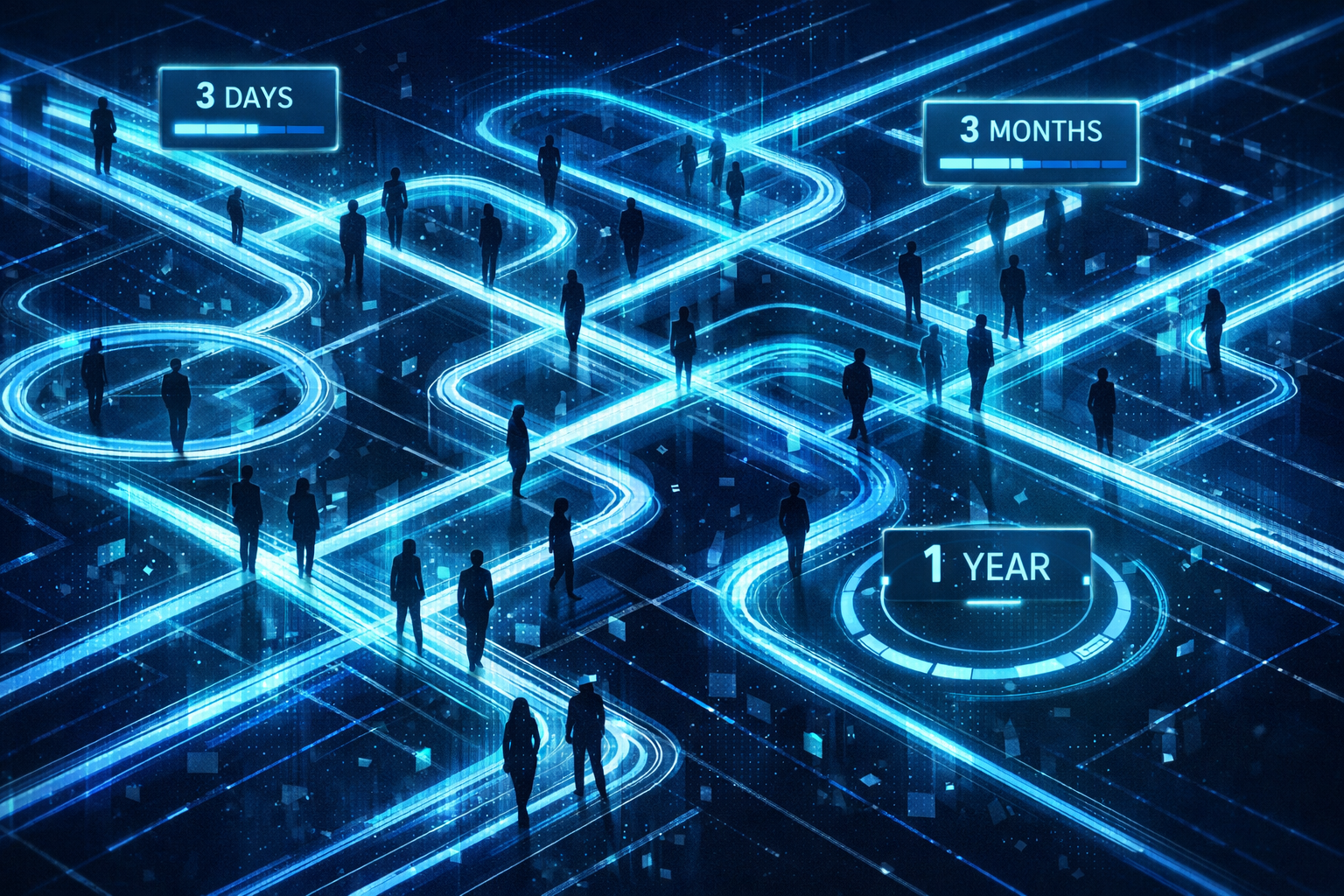
Every journey is chaotic. But patterns exist.
Start by identifying the stages that matter for your business specifically. For some, it’s discovery, engagement, evaluation, purchase. For others, it’s problem awareness, solution research, vendor comparison, decision. Don’t copy-paste a generic framework from someone else’s playbook. Think about the actual mental and behavioral shifts people go through before they hand you money.
People need different things at different stages. Someone who just discovered you needs to understand what you do and why it matters to them. Someone who’s been following you for months might need proof—case studies, testimonials, results. Someone ready to buy needs clarity on process, pricing, and what happens after they click the button. Your journey map has to account for these shifting needs.
Pay attention to channels and touchpoints. Maybe people discover you on Instagram but evaluate you through email. Maybe they find you via Google but only convert after watching a webinar. Understanding which channels serve which stages helps you stop trying to make every platform do everything.
Consider time. How long does it typically take someone to move from “I just heard about you” to “here’s my credit card”? Days? Weeks? Months? This timeline dictates structure. If people typically take three months to decide, you need content designed to maintain engagement over that stretch. If they decide in three days, you need a compressed path that delivers essentials fast.
And don’t forget what happens after the sale. The customer experience doesn’t end at purchase. It extends through onboarding, first use, ongoing engagement, repeat purchases, referrals. Mapping the complete journey reveals opportunities to increase lifetime value, not just initial conversions.

Collecting and Organizing Journey Data
AI can’t map what it can’t see.
You need data about how people interact with your business across multiple touchpoints, organized in ways that reveal patterns instead of noise.
Start with website analytics. Look at entry points, page flow, time on site, exit points. Where do people land? What do they click next? Where do they bail? This shows you the paths people take through your digital presence—even the paths you never designed.
Track email engagement systematically. Who opens what? Who clicks? At what point do people stop opening your emails entirely? If you’re running sequences, which messages get responses and which ones make people ghost you? Email data reveals what resonates and what kills momentum.
Monitor social media beyond vanity metrics. Forget likes and shares for a second. What prompts people to engage? What topics generate questions or comments? What makes someone click through to your site or offers? Social interactions often represent early-stage awareness and interest—the first spark.
Document sales conversations and customer questions. What do people ask before they buy? What objections surface? What seems to be the tipping point that moves someone from “maybe” to “yes”? This qualitative data adds context that pure analytics can’t provide. Numbers tell you what happened. Conversations tell you why.
Collect feedback from customers about their journey. Post-purchase surveys asking “how did you first hear about us?” and “what almost stopped you from buying?” provide direct insight. People remember their hesitations when they’re fresh. They’ll tell you exactly where they almost walked away.
Pay attention to what doesn’t happen. If you’re promoting something but getting no response, that’s data. If people visit your pricing page but never contact you, that’s data. If they attend your webinar but don’t buy, that’s data. Negative patterns are as informative as positive ones—sometimes more.
Organize all this so AI can analyze it effectively. You’re looking for patterns across customers, not just individual stories. Which sequences of events tend to lead to purchases versus drop-offs? What touchpoints do successful customers share? What distinguishes people who buy fast from those who take months?
Using AI to Identify Patterns and Friction Points
Once you’ve collected journey data, AI can analyze it at scale and surface patterns you’d never catch manually.
Start by having AI analyze your most successful customer journeys. What paths did people take from discovery to purchase? What content did they consume? What touchpoints were most common? Identifying patterns in successful journeys gives you a template for what’s working. Then you can guide more people down similar paths.

Look for common drop-off points. AI identifies stages or touchpoints where you consistently lose people. Maybe most people who visit your sales page don’t buy. Maybe they engage with your first few emails but stop opening after message four. Maybe they attend your webinar but never click through to your offer. These friction points are where your optimization efforts should focus—not everywhere, just there.
Have AI identify gaps in your journey. Are there stages where people need information or support you’re not currently providing? Maybe people jump from awareness straight to trying to buy without any evaluation stage, suggesting they need more information before they’re ready. Or maybe there’s a long gap between certain touchpoints where people lose momentum and drift away.
Use AI to segment journeys by outcome. Compare the paths of people who became customers to those who didn’t. What did the customers do differently? What touchpoints did they have that non-customers skipped? This comparison reveals what elements of your journey actually drive conversions versus what’s just noise.
Analyze timing patterns. How long do people typically spend at each stage? When do they engage with content—immediately after discovering you or days later? When do they make purchase decisions—after consuming certain content or after a specific amount of time? Timing insights tell you when to push and when to give people space to breathe.
Look for unexpected paths. AI might identify journey patterns you hadn’t anticipated. Maybe people who come through one channel convert faster than another. Maybe certain content combinations are particularly effective. Maybe some touchpoints you thought were critical are actually skipped by successful customers. These unexpected insights often reveal the biggest optimization opportunities.
Have AI generate hypotheses about why friction exists. If people drop off at a certain point, AI can suggest possible reasons based on what’s happening at that stage. Maybe the ask is too big too soon. Maybe critical information is missing. Maybe the process is too complicated. These hypotheses give you specific things to test and improve instead of just wondering what’s broken.
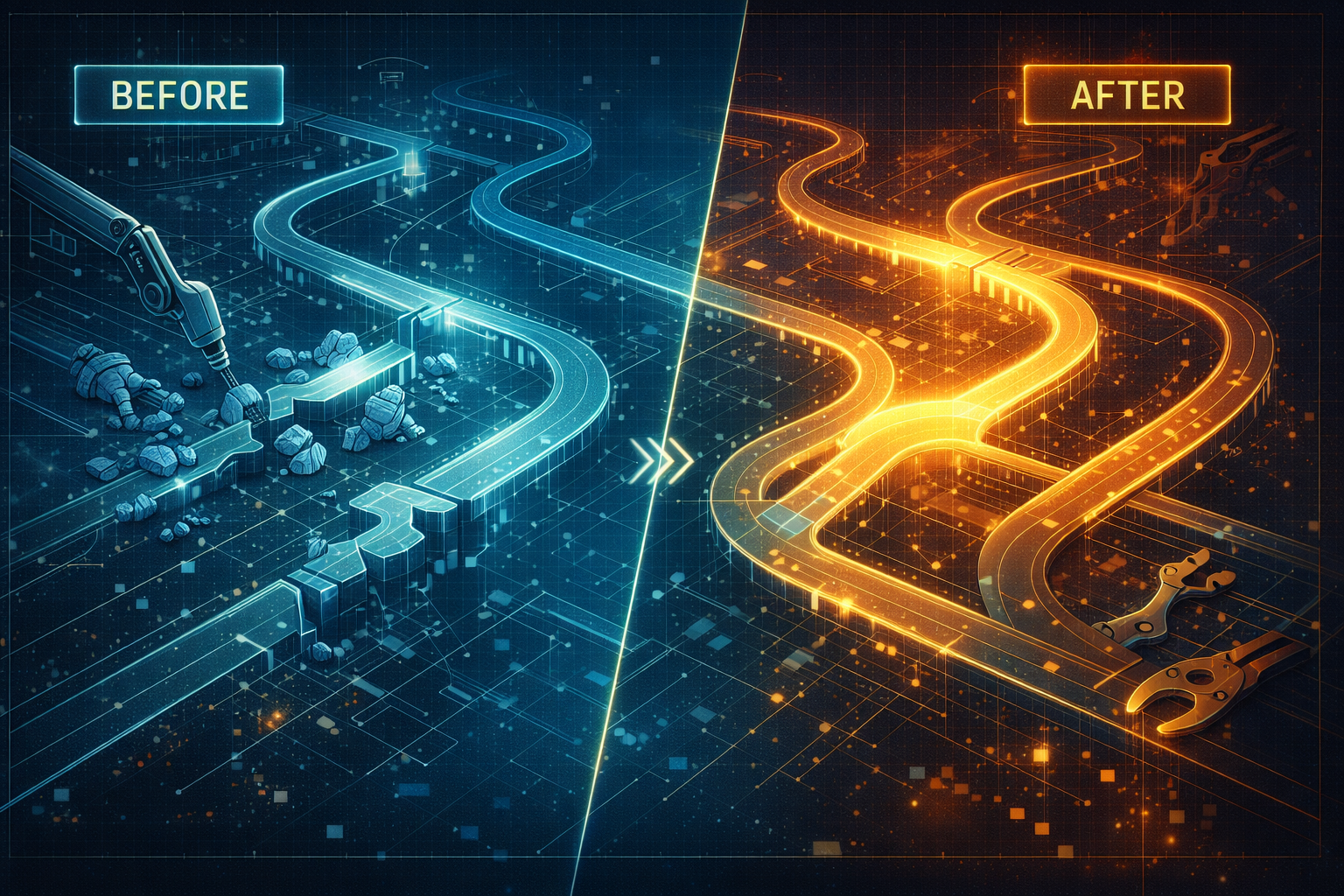
Designing Interventions to Improve Journey Flow
Understanding where journeys break down means nothing if you don’t fix the problems.
For each major friction point AI identified, develop targeted interventions.
If people drop off after visiting your pricing page, maybe they need more value justification before they see numbers. Or maybe your pricing isn’t clear enough—people hate confusion more than high prices. Or maybe you need testimonials specifically addressing “is it worth it” concerns. The intervention should directly address the likely cause of friction, not just throw random tactics at the wall.
Create content for gaps in the journey. If AI reveals that people who consume certain types of content before buying have higher conversion rates, create more of that content. If there’s a stage where people need information you’re not providing, fill that gap. Journey mapping tells you what’s missing so you can add it strategically instead of guessing.
Design touchpoint sequences that guide people forward. If successful customer journeys typically include certain touchpoints in a certain order, can you create sequences that guide more people through that pattern? Maybe it’s an email series that delivers content in the optimal order. Maybe it’s a guided path through your website. Structure helps people move through stages instead of wandering randomly and getting lost.
Reduce friction at critical decision points. If people hesitate at your checkout, what can you add to make the decision easier? Guarantees, testimonials, FAQ content, clearer explanations of what happens next—all of these might reduce friction. If people drop off when trying to schedule a call, maybe your booking process requires too much information upfront or has too many steps.
Add engagement mechanisms for people who go silent. If your typical journey includes periods where people disengage, design touchpoints that bring them back. Maybe it’s a re-engagement email sequence. Maybe it’s retargeting content. Maybe it’s a check-in that provides value without pushing for a sale. The goal is maintaining momentum through natural lulls, not letting silence become permanent.
Create multiple journey options for different customer types. AI might reveal that different segments move through your journey differently. Fast movers might need a compressed path with essentials quickly accessible. Slow, deliberate researchers might need deeper content and more proof. Design your journey to accommodate different paces and preferences instead of forcing everyone through the same experience.
Test interventions systematically. Don’t implement everything at once and hope it works. Test one intervention at a time so you can measure impact. Did adding testimonials to your pricing page reduce drop-off? Did the new email sequence increase progression to the next stage? Data tells you which interventions actually improve journey flow and which ones waste time.
Use AI to help you develop intervention ideas. Describe the friction point and have AI suggest possible solutions based on best practices and psychological principles. You’ll still need to adapt suggestions to your specific situation, but AI can generate options you might not have considered on your own.
Personalizing Journeys Based on Behavior
Not everyone should experience the same journey. That’s the whole point.
AI can help you create personalized paths based on how people interact with your business.
Use behavioral triggers to customize the journey. If someone downloads a specific lead magnet, they’ve signaled interest in that topic. Your follow-up should reflect that interest, not send them generic content about everything you do. If someone visits your pricing page multiple times, they’re further along the journey than someone who just discovered you yesterday. Tailor your messaging accordingly.
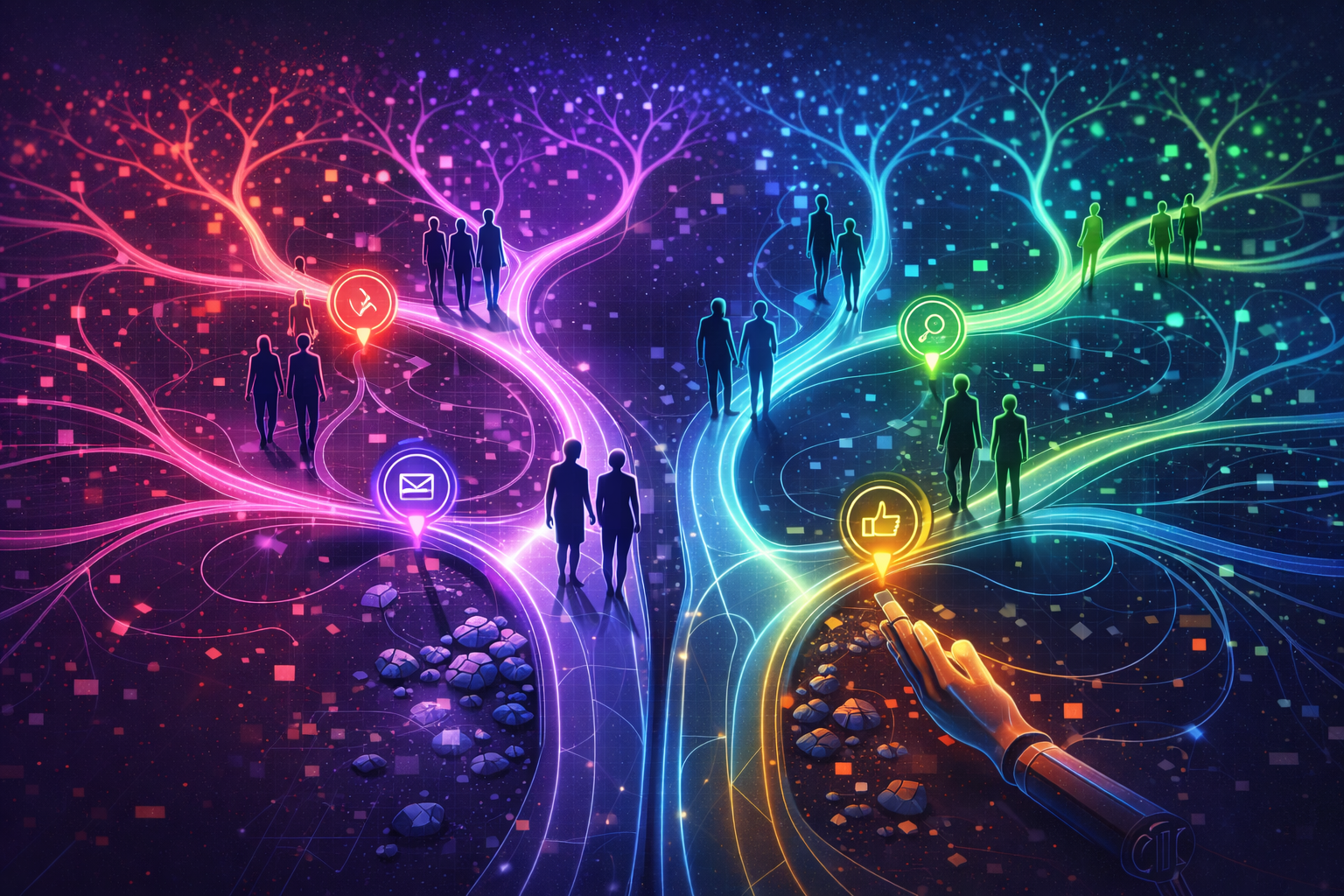
Segment based on engagement level. Someone who consumes all your content shows different signals than someone who occasionally reads one thing. High-engagement prospects might be ready for direct offers sooner. Low-engagement prospects might need more value and trust-building first. AI can help you identify engagement patterns and trigger appropriate journey paths automatically.
Create branching sequences based on actions. If someone clicks on a specific link in your email, send them down a path related to that interest. If they don’t click, try a different angle. If they attend your webinar, follow up with post-webinar content. If they don’t attend, send them the replay or address why they might have missed it. Branching creates more relevant experiences instead of one-size-fits-all messaging.
Adjust based on speed of progression. Some people move through your journey quickly, others slowly. AI can identify pacing patterns and help you adjust accordingly. Fast movers might need more frequent touchpoints to maintain momentum. Slow movers might need space between touchpoints so they don’t feel pushed or overwhelmed.
Personalize based on stated preferences or characteristics. If you collect information about someone’s role, business size, or specific challenges, use that to customize their journey. Send content relevant to their situation. Address objections specific to their circumstances. Show proof from similar customers. This relevance increases the likelihood they’ll keep engaging instead of tuning out.
Use AI to predict likely journey paths. Based on initial behaviors, AI can suggest which journey pattern someone is likely to follow. This prediction helps you proactively provide what they’ll need next instead of reacting after they’ve already disengaged. It’s like having a map of where they’re headed so you can smooth the path ahead of them.
Track and optimize personalized journeys separately. Your personalization efforts only help if they actually improve outcomes. Measure whether personalized paths result in higher conversion, faster progression, or better customer fit than generic journeys. If personalization isn’t moving metrics, either your segmentation criteria or your customized content needs adjustment.

Continuous Journey Optimization
Customer journeys aren’t static. Your market changes, your offers evolve, new competitors emerge, customer preferences shift.
Journey mapping and optimization need to be ongoing, not one-time projects you check off a list.
Set up regular journey reviews. Monthly or quarterly, look at your journey data with fresh eyes. Are the patterns you identified three months ago still holding? Have new friction points emerged? Are the interventions you implemented still working or have they lost effectiveness? Regular reviews keep you current instead of operating on outdated assumptions.
Monitor impact of changes you make. Every time you adjust your website, change your email sequences, or modify your sales process, you’re potentially affecting customer journeys. Track how these changes influence journey patterns and outcomes. Sometimes improvements in one area create unexpected friction elsewhere—you need to catch that.
Use AI to identify emerging trends before they become obvious. Small shifts in behavior might signal bigger changes coming. Maybe people are spending less time on certain content types. Maybe a new objection is starting to appear more frequently. Maybe people from a specific channel are converting differently than they used to. Early detection of trends lets you adapt proactively instead of scrambling to catch up.
Test new journey variations continuously. Don’t just optimize your existing journey—test alternative paths. Maybe there’s a faster route from awareness to purchase that you haven’t explored. Maybe a different content sequence would work better. Testing keeps you from getting stuck in local optimization when better global solutions exist.
Collect feedback about journey experience directly. Ask customers about their path to purchase. What was confusing? What took too long? What made them confident enough to buy? Their retrospective view of the journey often reveals friction points that aren’t obvious in analytics data. Real voices add dimension numbers can’t capture.
Stay aware of competitive and market changes. If competitors change how they’re guiding customers, or if industry best practices evolve, your journey might need updating to remain competitive. You’re not blindly copying what others do, but you need awareness of what customers are experiencing elsewhere so you don’t fall behind.
Build journey optimization into your regular business rhythm. It’s not a special project you do when revenue drops. It’s an ongoing practice of understanding how people experience your business and removing friction from that experience. Businesses that optimize journeys continuously pull ahead of ones that only look at journey data during crises.
Your customer journey is happening right now whether you’ve mapped it or not. People are discovering you, engaging with your content, evaluating your offers, making decisions about whether to buy. Some complete the journey successfully and become customers. Many don’t. And you might not know why—unless you map it.
AI-powered journey mapping gives you visibility into patterns you can’t see manually. It helps you identify where people drop off, what successful customers do differently, and where friction exists in your current experience. This understanding transforms journey optimization from guesswork into systematic improvement that compounds over time.
The businesses winning right now aren’t just creating better content or making better offers. They’re optimizing the complete experience of becoming a customer. They’ve identified the friction points that cause people to abandon the journey and designed interventions that keep people moving forward. They’re using data and AI analysis to understand customer behavior instead of hoping their funnel magically works.
Your journey mapping system doesn’t require months of analysis or expensive consulting. It requires collecting the right data, using AI to identify patterns and friction, and systematically testing interventions that improve flow. The technology handles the heavy analysis. You provide strategic direction and implementation.
Gather data about how people currently interact with your business. Use AI to analyze patterns and identify friction points. Design one intervention to improve flow at your biggest drop-off point. Test it, measure the impact, keep optimizing. You’ll be surprised how much revenue is hiding in the gaps of your current journey—money that’s already trying to reach you but can’t find the path.
Products / Tools / Resources
Google Analytics 4 – Essential for tracking website behavior, entry points, page flow, and exit patterns. The free version handles most small business needs, while GA4’s AI-powered insights can surface unexpected patterns in user journeys.
Hotjar – Heatmaps and session recordings show you exactly how people interact with your pages. Watching someone struggle with your checkout process reveals friction that analytics alone can’t capture.
HubSpot CRM – Tracks email engagement, manages contact sequences, and provides journey analytics. The free tier is surprisingly robust for mapping basic customer paths and automating follow-up based on behavior.
ActiveCampaign – Advanced email automation with branching sequences based on user actions. Strong for creating personalized journey paths that respond to engagement patterns.
Amplitude – Product analytics platform that excels at tracking user paths and identifying drop-off points. More technical than some alternatives but powerful for mapping complex digital journeys.
Crazy Egg – Another solid option for heatmaps and scroll maps that show where people engage and where they lose interest on your pages.
Typeform or SurveyMonkey – For collecting direct feedback from customers about their journey experience. Post-purchase surveys reveal friction points you’d never find in behavioral data alone.
ChatGPT Plus or Claude Pro – For analyzing journey data, identifying patterns, generating intervention hypotheses, and developing personalized sequence ideas. Both handle large datasets and can spot patterns across hundreds of customer journeys.
Segment – Customer data platform that consolidates data from multiple touchpoints into one view, making it easier to feed comprehensive journey data to AI for analysis.
Zapier or Make – Automation tools that connect your various platforms and trigger actions based on journey behaviors, letting you create dynamic paths without custom development.
Related Reading:
Once you’ve identified where customers drop off in their journey, the next step is ensuring your offer actually converts when they reach the decision point. Check out our guide on AI Offer Optimizer: The Complete Guide to learn how to craft irresistible offers that turn hesitant prospects into buyers.